
How Executive Travel Supports Client Entertainment and Hospitality

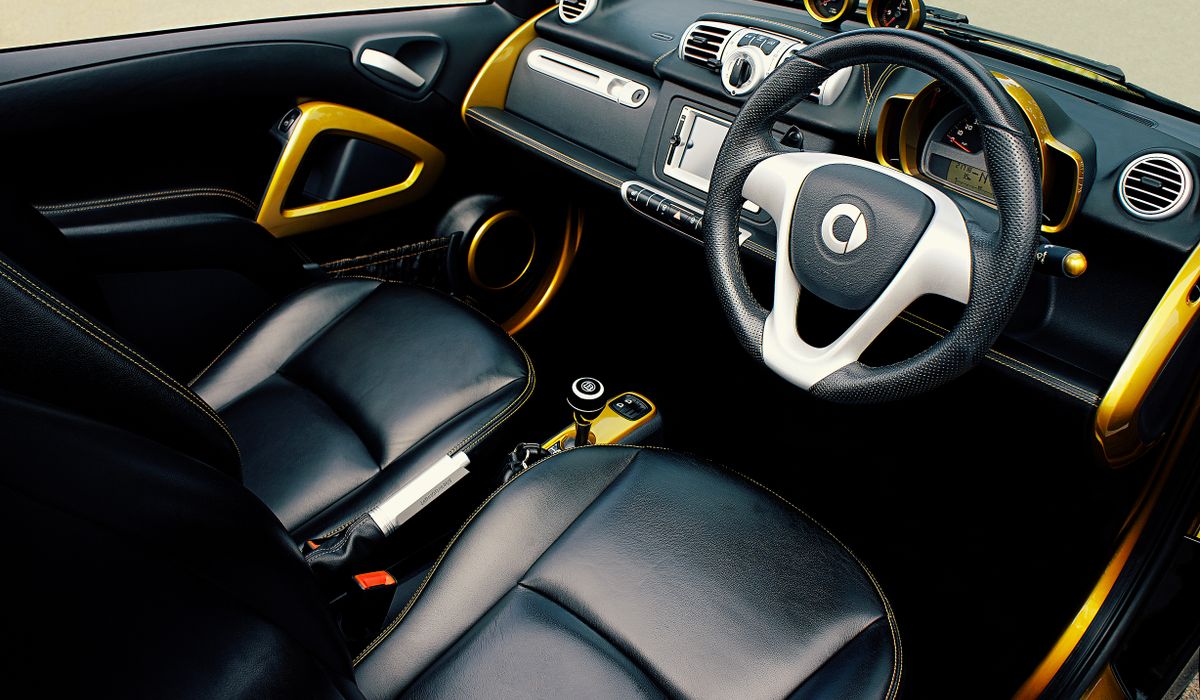
First Impressions Begin at the Kerbside
Client entertainment rarely starts when the first bottle of wine is poured. It starts earlier — often at arrivals, a hotel entrance, or the kerb outside an office. The car that collects your guest is the first physical expression of your hospitality, and it sets an expectation for everything that follows. A clean, warm, quiet vehicle with a professional chauffeur tells a guest they are valued. A rushed, cramped or late one undoes a great deal of careful planning before the evening has even begun.
For hosts, executive travel is less about luxury for its own sake and more about control. When transport is handled properly, nobody arrives flustered, nobody is left waiting in the rain, and the conversation starts in a relaxed frame of mind.
Timing That Respects Your Guests' Time
The single biggest factor in a good journey is punctuality, and punctuality begins with planning rather than luck. A chauffeur booked to arrive ten minutes before the pickup time is not early — they are on time. Build in buffer for traffic, roadworks and the unpredictable reality of central London, Manchester or Edinburgh at five o'clock.
For airport collections, the practical details matter enormously:
- Flight monitoring: a chauffeur tracking the flight can adjust for delays without a panicked phone call.
- Meet and greet: for international visitors or anyone unfamiliar with the terminal, a driver waiting in arrivals with a name board removes a great deal of stress.
- Free waiting time: agree in advance how long the car will wait, and make sure your guest knows they are not being clock-watched.
- Realistic journey times: a twenty-minute drive at seven in the evening can be fifty minutes at half five. Give your guest an honest arrival estimate.
Sharing the pickup details with your guest in advance — driver name, vehicle make and colour, mobile number — is a small courtesy that pays off handsomely.
Choosing the Right Vehicle for the Occasion
Not every journey calls for the same car. A single visiting executive may be perfectly comfortable in an executive saloon, while a group of four travelling to a sporting fixture or a country house restaurant will want something with more space and a proper boot for luggage. Think about the whole party, not just the most senior person in it.
Consider, too, what the journey is for. If guests will be taking calls or reviewing documents, a quiet cabin and a stable ride matter more than anything else. If the trip is a scenic drive to a venue, a car with good visibility and comfortable rear seating becomes part of the entertainment. In winter, a pre-warmed vehicle is a genuinely thoughtful touch; in summer, effective air conditioning is not optional.
Looking After Guests Who Are New to Chauffeur Travel
Many guests, however senior, are not used to being driven. A little guidance makes the experience feel natural rather than awkward:
- Where to meet: tell them exactly where the car will be and what it looks like.
- Who to contact: give them the driver's number, and give the driver theirs.
- What to expect: mention whether the driver will open doors, handle bags or wait with the vehicle.
- Privacy: reassure them that conversations in the car stay in the car.
A good chauffeur reads the room. Some guests want conversation; others want silence and a chance to prepare. Briefing your transport provider on preferences — preferred quiet, a particular route, a stop for fresh air — turns a generic service into a personal one.
Coordinating Multiple Pickups and Venue Logistics
Hospitality events rarely involve one car and one destination. Guests may arrive from different hotels, offices and stations, and leave at different times. A few coordination habits keep the evening smooth:
- Stagger pickups so guests arrive within a few minutes of each other rather than in one awkward cluster.
- Agree a clear drop-off point with the venue, particularly where access is restricted or there is a formal entrance.
- Keep one vehicle or driver on standby for the return journey, so nobody is left waiting at midnight.
- Confirm the return plan with guests before the event, not after the coffee arrives.
Where several cars are involved, a single point of contact between host and transport provider prevents crossed wires and duplicated calls.
The Details Guests Remember Long After Dessert
Memorable hospitality is built from small, deliberate choices. Chilled water on a warm day. A phone charger in the armrest. A driver who knows the guest's name and pronounces it correctly. A quiet word to the venue that the car has arrived, so the guest is not left standing at the door.
These are not extravagant gestures, but they signal care. And care is what clients remember when they are deciding who to work with next.
Executive travel is not simply a way of moving people from one place to another. It is the first and last impression of an evening designed around them. Get the journey right, and everything that follows feels easier.

Joeby Ragpa
This template is so awesome. I didn’t expect so many features inside. E-commerce pages are very useful, you can launch your online store in few seconds. I will rate 5 stars.
ReplyAlexander Samokhin
This template is so awesome. I didn’t expect so many features inside. E-commerce pages are very useful, you can launch your online store in few seconds. I will rate 5 stars.
ReplyChris Root
This template is so awesome. I didn’t expect so many features inside. E-commerce pages are very useful, you can launch your online store in few seconds. I will rate 5 stars.
Reply